Acquisition thesis
Clarify whether the property supports owner-user operations, investment income, expansion, relocation, or long-term ownership goals.
 Start a Conversation
Commercial buyer representation
SkyNet Properties helps commercial buyers evaluate use, location, income, tenant lease terms, CAP rate judgment, demographic fit, financing structure, property condition, and advisor coordination before acquisition terms harden.
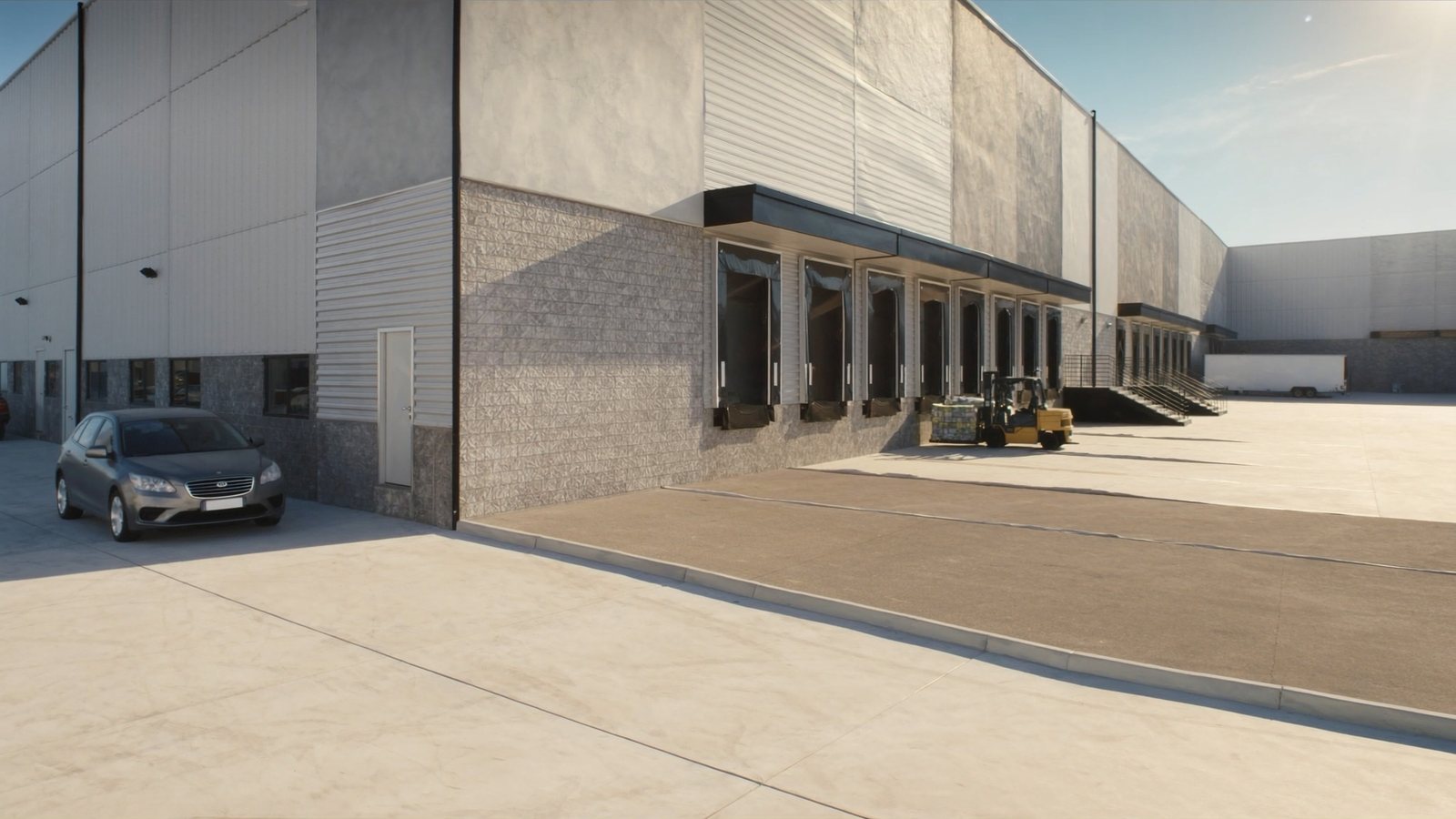
Commercial buyer strategy
SkyNet Properties helps commercial buyers turn site interest into a structured acquisition review that can be shared with lenders, attorneys, CPAs, business partners, contractors, and other third-party specialists.
Clarify whether the property supports owner-user operations, investment income, expansion, relocation, or long-term ownership goals.
Compare financing assumptions, down payment, reserves, improvement budget, operating costs, and lender expectations before terms harden.
Review demographics, traffic, tenant demand, nearby development, competing supply, and future resale or leasing flexibility.
Coordinate title, survey, inspections, environmental questions, leases, utilities, repair needs, and contractor feedback.
Shape price, earnest money, feasibility timing, financing terms, seller concessions, closing date, and possession terms.
Keep CPA, attorney, lender, business partner, entity-formation, accounting, and 1031 timing questions aligned with the transaction path.
Transaction breakdown
Clarify owner-user or investor goals, intended use, location, access, parking, loading, utility needs, entity structure, and long-term ownership plan.
Compare purchase price, financing assumptions, down payment, operating expenses, projected income, CAP rate, reserves, improvement budget, and lender expectations.
Review traffic, surrounding demographics, area growth, competing supply, tenant demand, nearby development, and resale or leasing flexibility.
Screen inspections, title, survey, environmental concerns, access, utilities, leases, repair needs, contractor feedback, and capital improvement planning.
Shape price, earnest money, feasibility timing, financing terms, seller concessions, due diligence delivery, closing date, and possession terms.
Process timeline
Buyer readiness
A stronger commercial acquisition process starts with a defined use case, capital plan, diligence priorities, advisor team, and decision authority before the market starts producing distractions.
Use and acquisition thesis should cover intended use, size, layout, access, parking, signage, loading, utilities, customer flow, employees, growth needs, and long-term ownership plan.
Capital and lender readiness should include proof of funds or lender direction, down payment expectations, financing assumptions, reserves, improvement budget, and operating-cost comfort.
Property condition and diligence priorities should define title, survey, inspections, environmental questions, leases, income records, insurance, taxes, contractor feedback, and feasibility issues.
Decision authority and advisor coordination should identify who approves the acquisition, financing, legal review, inspections, contractor feedback, entity structure, asset-separation planning, operating agreement questions, accounting setup, business partner consent, 1031 exchange timing if applicable, and final contract terms.
Commercial Buyer FAQ
These answers are general brokerage guidance, not legal, tax, zoning, engineering, environmental, lending, investment, entity-formation, or insurance advice. Commercial buyers should use specialized professionals for specialized review.
A commercial buyer acquisition strategy includes use fit, location, income, tenant lease terms, CAP rate judgment, demographic fit, financing structure, property condition, diligence priorities, advisor coordination, and closing timing.
Commercial buyers should prepare proof of funds or lender direction, down payment expectations, financing assumptions, debt comfort, operating expense expectations, reserves, improvement budget, entity or buyer structure, and any partner approval requirements.
Demographics, traffic, nearby development, competing supply, tenant demand, and business-growth patterns can help buyers understand whether a property supports the intended operation, income plan, future leasing strategy, or resale flexibility.
Commercial buyer diligence may include inspections, title, survey, environmental questions, access, utilities, leases, income records, operating expenses, insurance, taxes, zoning or use restrictions, repair needs, contractor feedback, and capital improvement planning.
SkyNet Properties helps commercial buyers compare price, earnest money, feasibility timing, financing terms, due diligence delivery, seller concessions, closing date, possession terms, and contract obligations before buyer terms harden.
SkyNet Properties can coordinate transaction timing, property information, seller deliverables, lender requests, diligence documents, contract milestones, and closing logistics with the buyer's CPA, attorney, lender, business partners, and 1031 exchange professionals when applicable. SkyNet Properties does not provide tax, legal, lending, investment, or entity-formation advice, but helps keep the real estate transaction aligned with outside advisors. See IRS 1031 Rules for general federal tax context.
A commercial space decision can affect entity formation, asset separation, operating agreement planning, sales and use tax expectations, lender requirements, accounting system setup, and how acquisition, construction, and start-up expenses are tracked for tax reporting. SkyNet Properties can coordinate with CPAs, attorneys, lenders, and business partners so those questions are addressed by the appropriate specialists while the buyer evaluates space. See Texas Entities, Texas Taxable Services, and IRS Startup Costs for general public-agency context.
No. SkyNet Properties provides brokerage guidance, acquisition positioning, market coordination, and transaction support. Commercial buyers should rely on the appropriate attorney, CPA, lender, insurance professional, engineer, contractor, environmental consultant, architect, or city authority for specialized advice.
Property review for buyers who need the real estate to support operations, customers, employees, access, and long-term business control.
Acquisition support that keeps income quality, tenant risk, operating cost, debt, capex, and exit assumptions in the conversation early.
Guidance for businesses comparing ownership against leasing, relocation, growth capacity, build-out cost, and timing pressure.
Next step